You Are Here
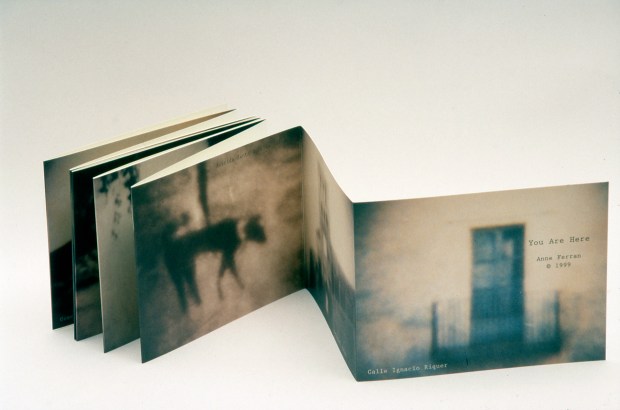
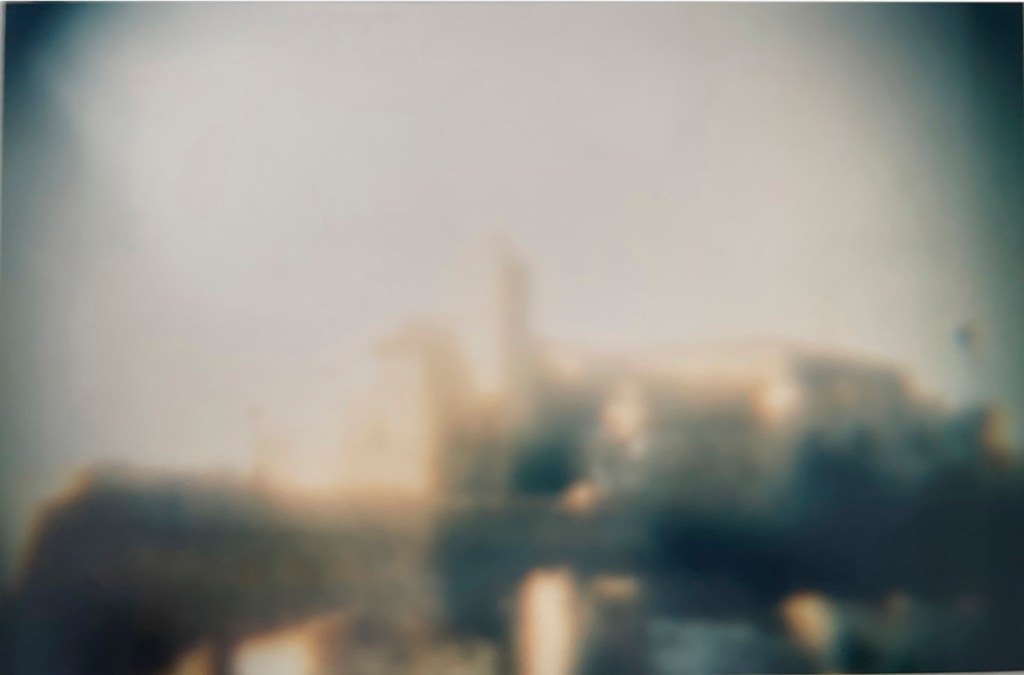
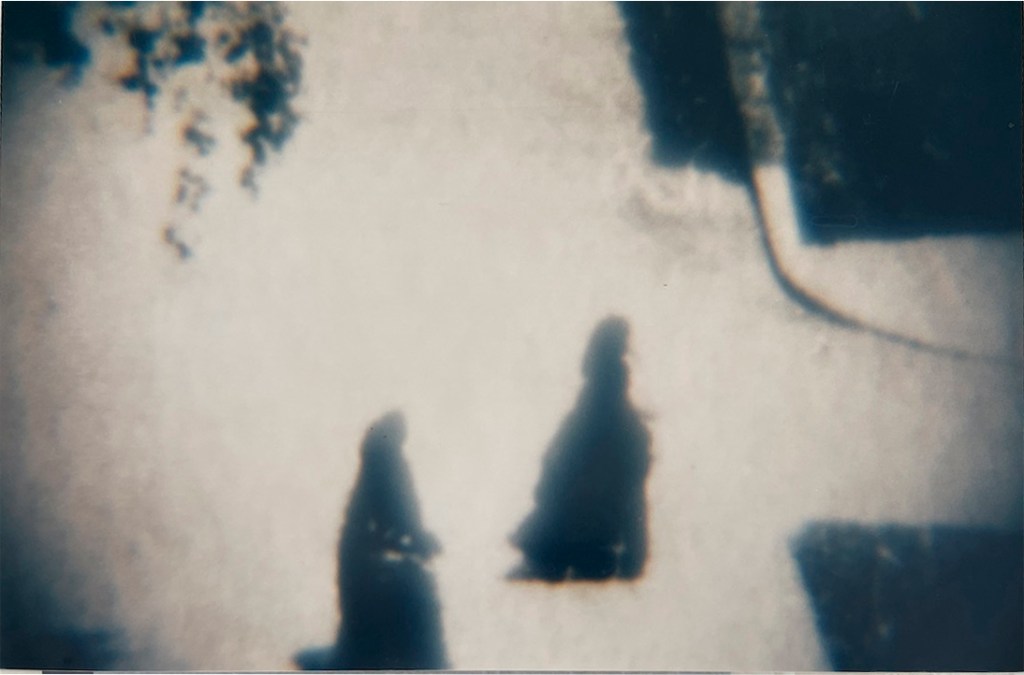
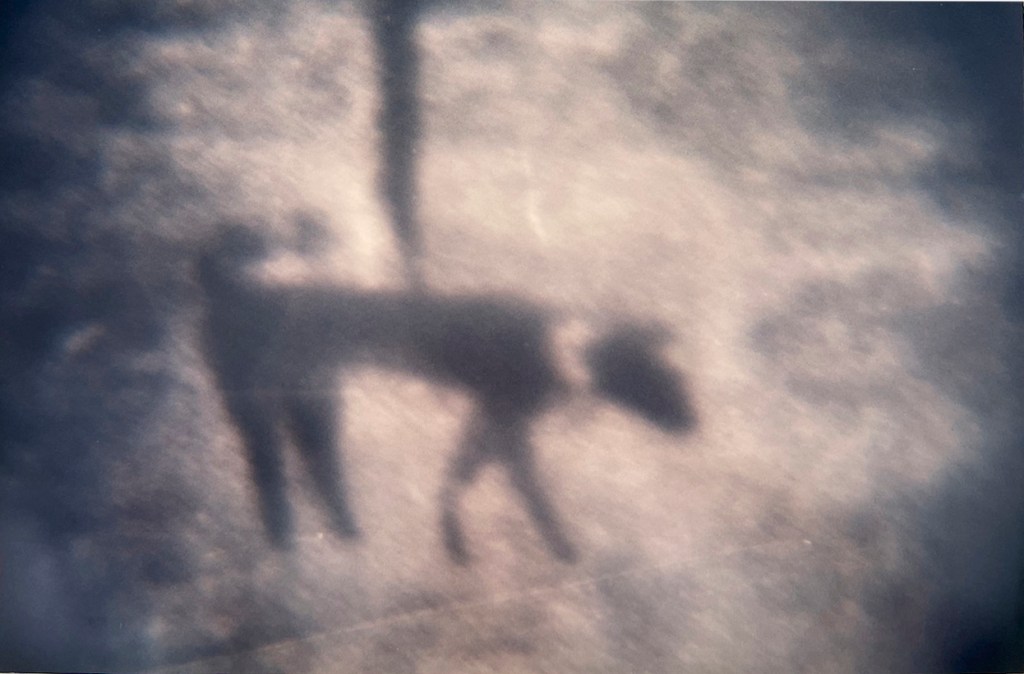
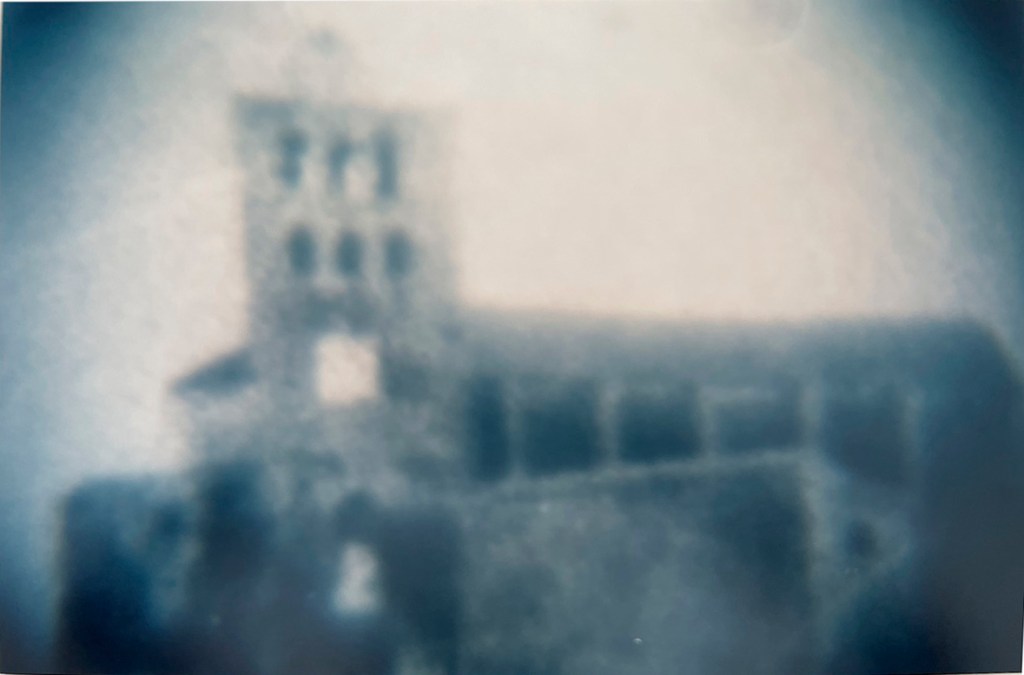
offset printed concertina artist book, 1999
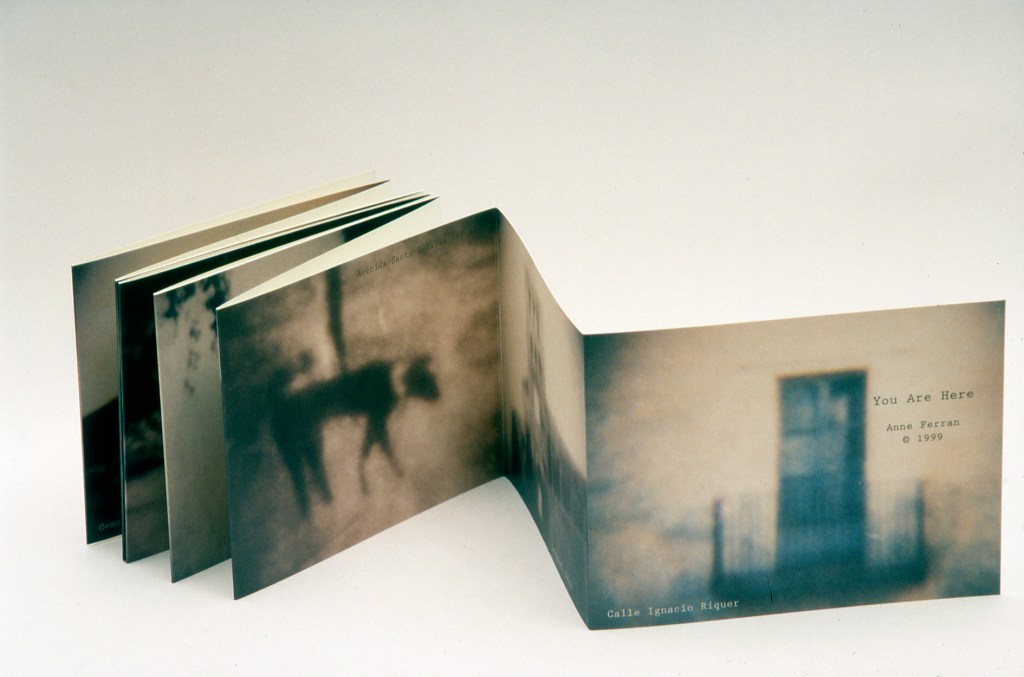
In 1932 and again in 1933, the critic Walter Benjamin, in exile from his native Germany, found temporary refuge on the Spanish island of Ibiza. Much later in the 1950s, when Benjamin was long dead, the New Zealand writer Janet Frame came to the island, renting a room in the old walled city.
In almost every conceivable way (other than a shared profession) – in gender, class, religion, nationality, circumstances of life – these were two people poles apart. Yet for all their differences they might be said to have been connected by profound historical currents acting inexorably on both of them. Their shared fate was to be dislodged from their places of birth by a greater force – political upheaval and war in Benjamin’s case, ‘modern’ psychiatry in Frame’s – and swept away in the twentieth-century current of travel, displacement and exile. If this is true, their coming separately to Ibiza would be the one outward sign and clue to that deeper invisible connection.
This idea led me to Ibiza in 1998. Over a three-month period I went twice to the island and once to Portbou, the town on the Franco-Spanish border where Benjamin committed suicide. Although the island in particular seemed at first to be changed beyond recognition, there were in fact many small ways of knowing they had been there.
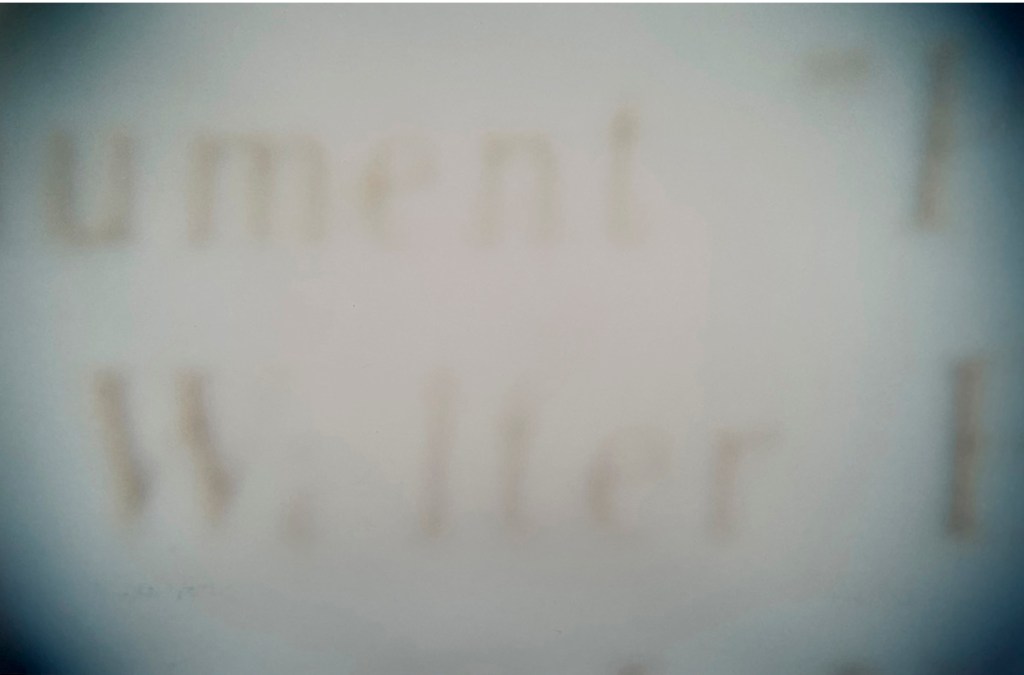
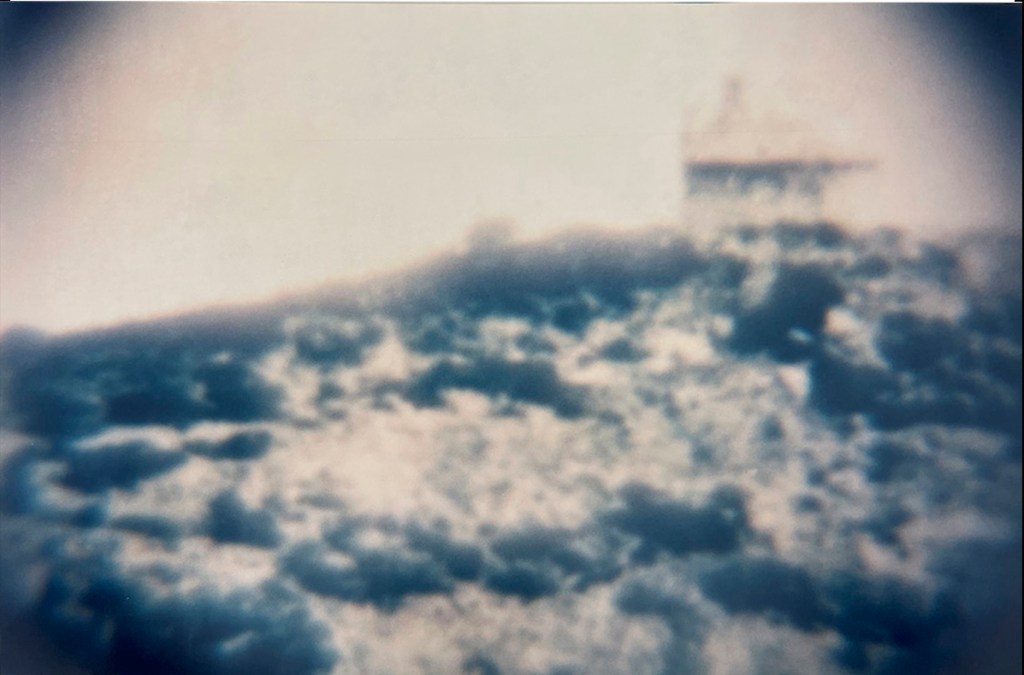
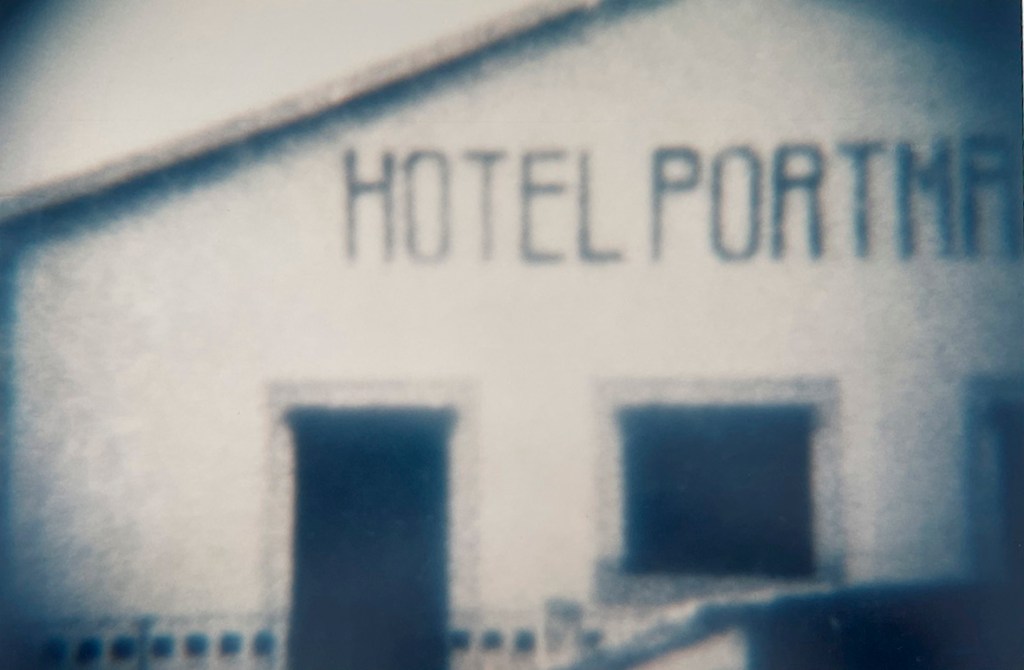
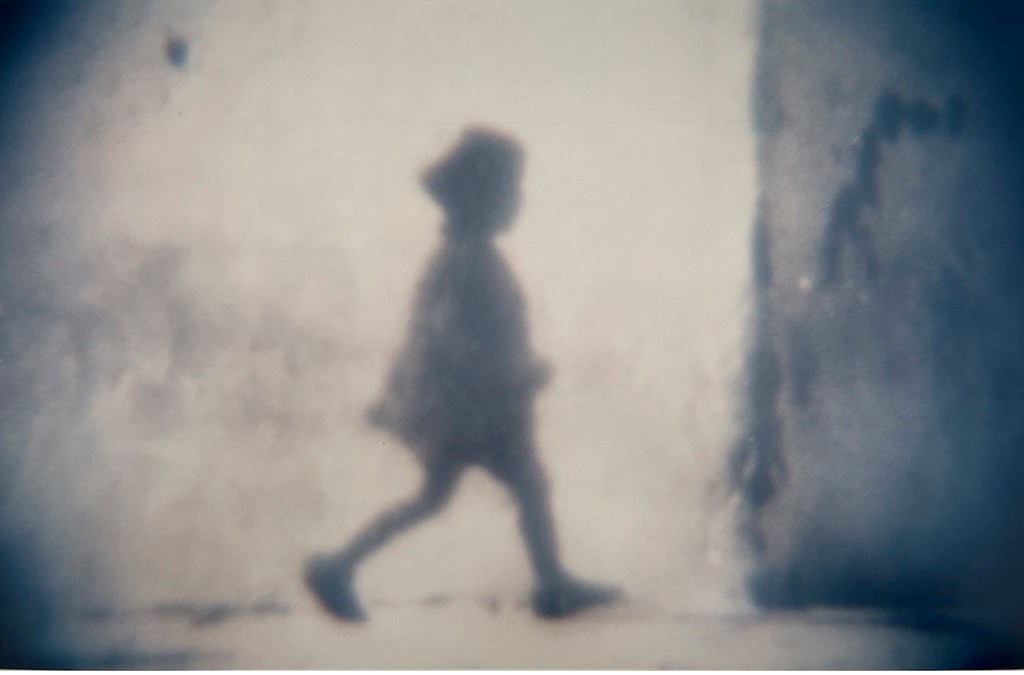
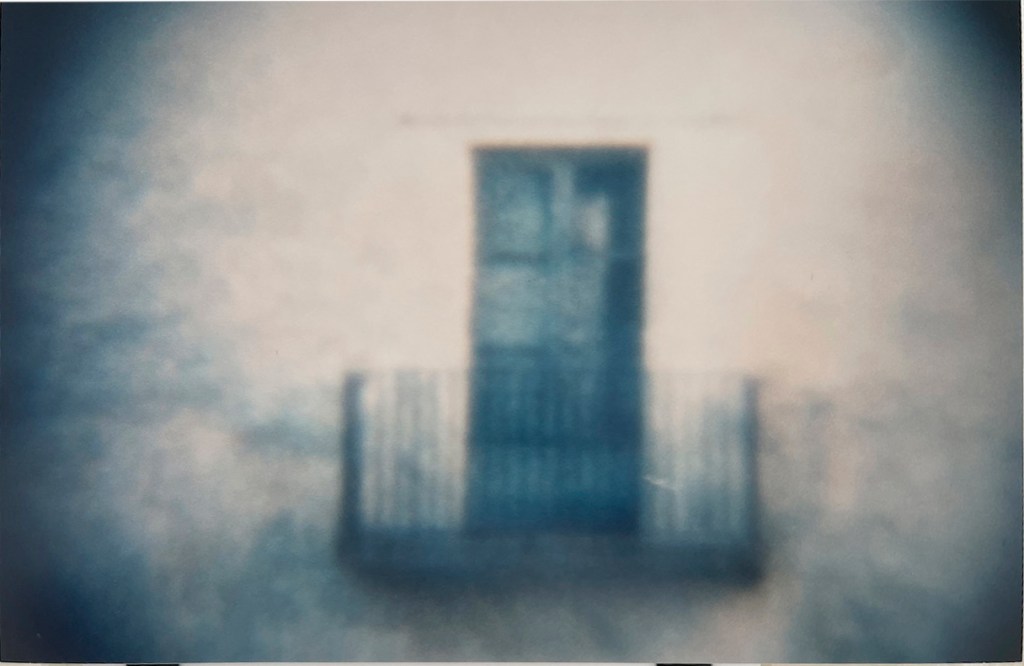
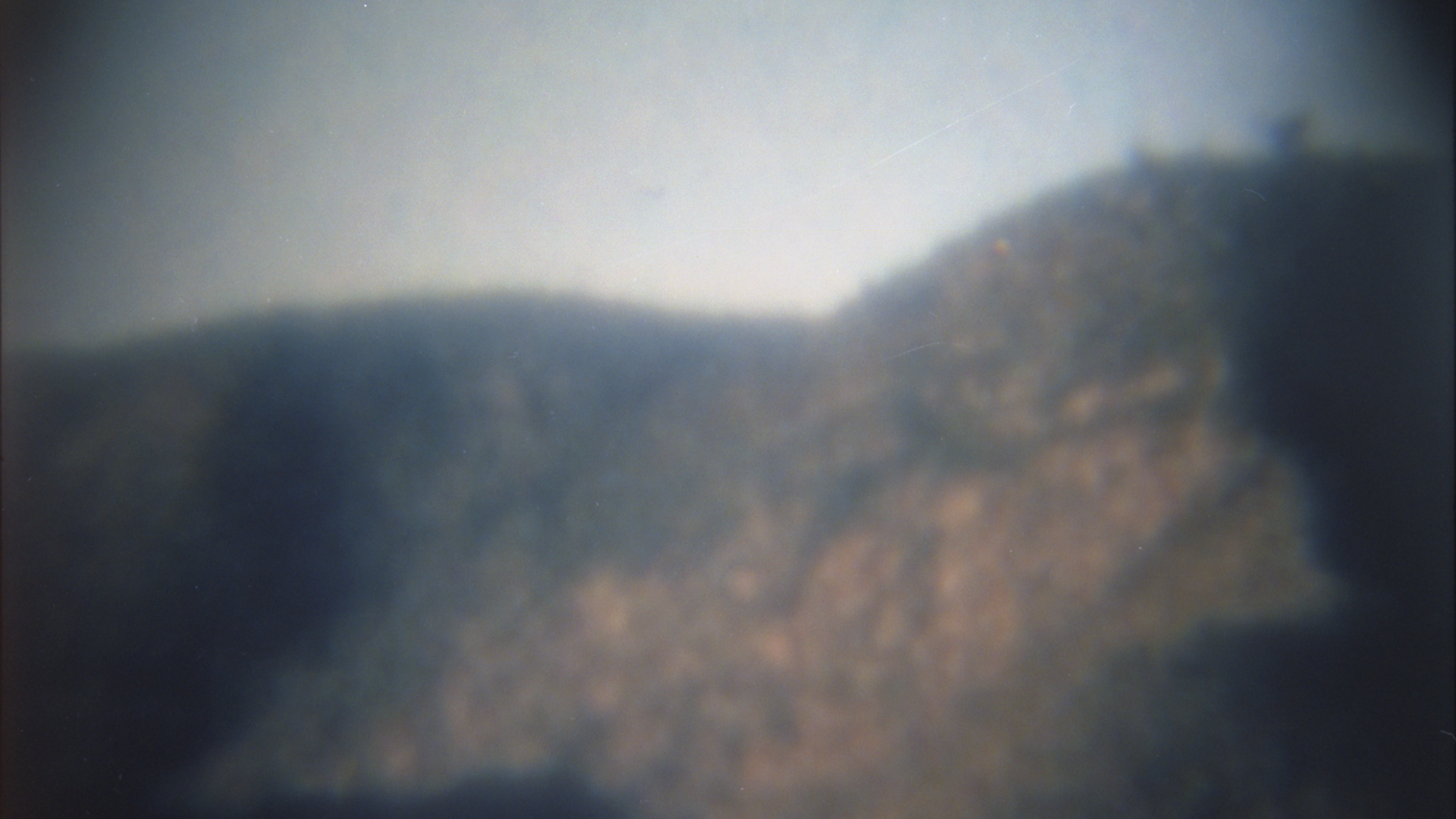
To make the book I re-photographed small details from old postcards, picking out the features Frame and Benjamin had observed: the rocky island, the lighthouse, the harbour, the plaza, the cemetery, the hotel, the special Ibicencan dogs. I arranged them in a sequence that suggests an imaginary journey from one side of the island to the other, from San Sebastian where Benjamin lived to Frame’s lodgings in Ibiza Town.
The first gallery director I approached to show the work was dubious. He wrote back, “How will the images you’re proposing to show be different from – say – the general landmarks of Ibiza?” How indeed? I could only say in reply that it’s a question of where you stand to look at the image, the angle of view and the light you hold it up to. Those differences are slight but they count for everything.
 Anne Ferran